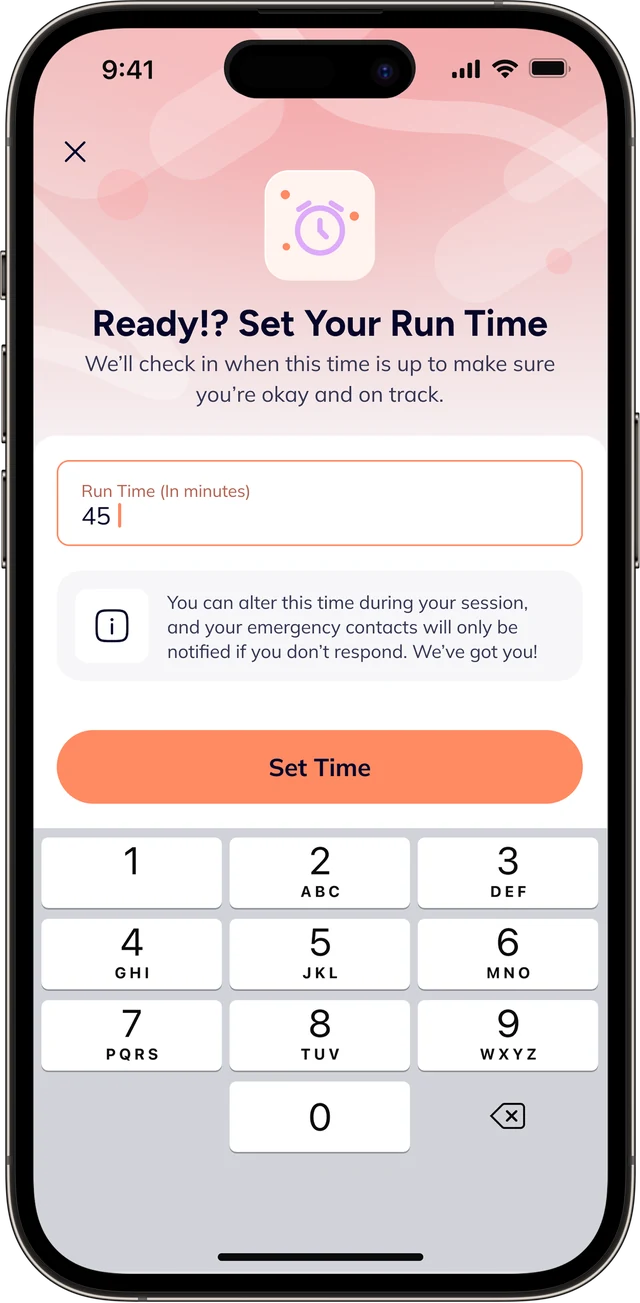
Automatic alerts are valuable because they reach contacts without a runner responding1, 2, but unclear or accidental delivery leaves runners unsure what was sent3–7.
Automatic alerts were valued for going out when a runner did not respond1, 2.
One participant questioned whether alerts could prevent harm or help when an emergency made responding impossible8–14.
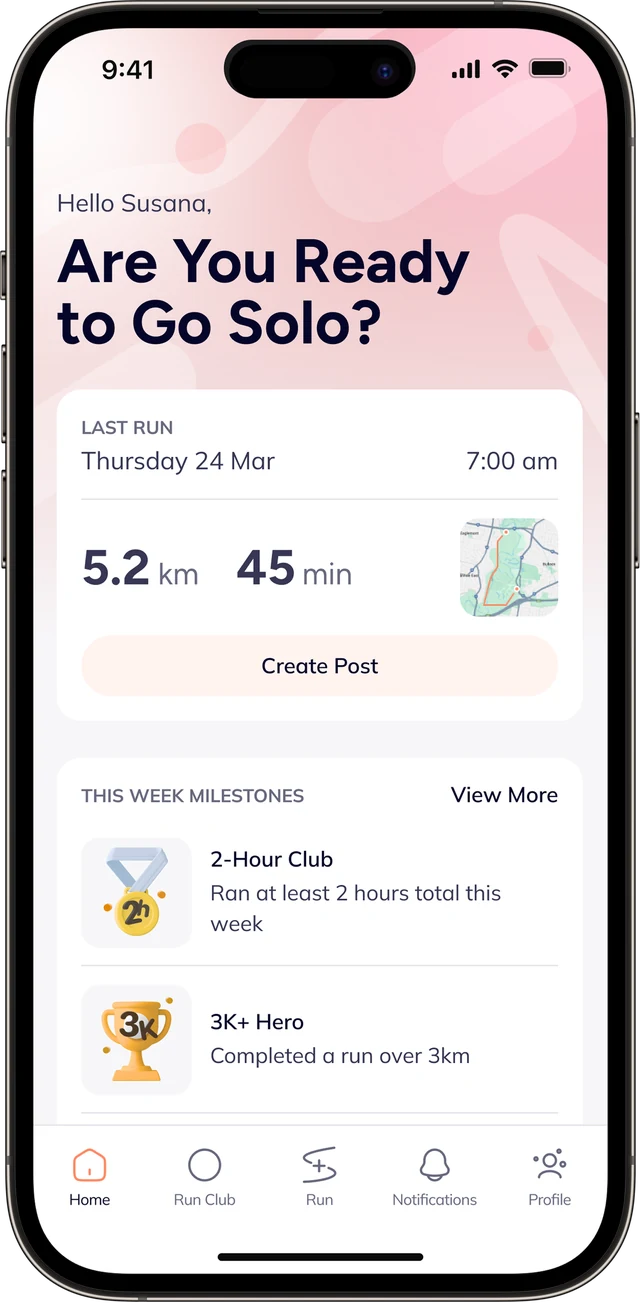
[app] also duplicated running features one participant already had in Garmin and Strava and lacked the running data they wanted to review15–19.
Where to act · in emergency alerts
Themes
Nothing waiting. Press + on a theme, a quote or a count as you read to collect it here.
The decision
Should we make the alert messages clearer?
No call yet
In the doc
1. What we heard
2. Our call
3. What we’ll do
On this page
What we heard
Alert delivery
Knowing and controlling when emergency messages…
Alert limitations
Feature overlap
Training data
The product
Who we heard from
Our call
What we’ll do
Should we make the alert messages clearer?
What we heard
Automatic alerts are valuable because they reach contacts without a runner responding, but unclear or accidental delivery leaves runners unsure what was sent.
Alert delivery
Participants value automatic alerts when runners do not respond, while one would welcome a chance to cancel an accidental alert and another says their contact asked what an unexpected message was.
Knowing and controlling when emergency messages reach contacts
On this page
What we heard
Alert delivery
Knowing and controlling when emergency messages…
Alert limitations
Feature overlap
Training data
The product
Who we heard from
Our call
What we’ll do
Should we make the alert messages clearer?
What we heard
Alert delivery
Participants value automatic alerts when runners do not respond, while one would welcome a chance to cancel an accidental alert and another says their contact asked what an unexpected message was.
Knowing and controlling when emergency messages reach contacts
Sep 2026 – now · FounderSep 2026 – now · Founder · Research tooling

Nala
Nala analyses customer interviews for product teams and turns them into evidence-backed cases that stakeholders can act on.
Case study